
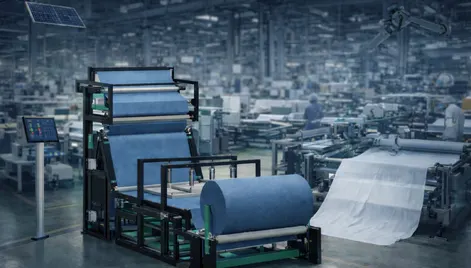
The Future of Sustainable Textile Manufacturing: Trends and Technologies
The textile industry is undergoing a significant transformation with a focus on sustainability. Shakti Textile Engineering Pvt. Ltd. is leading the charge with its eco-friendly machinery solutions that reduce the industry’s environmental footprint. In this blog, we explore the future of sustainable textile manufacturing, the technologies driving the change, and how Shakti’s innovations are helping businesses adapt to this growing demand for sustainability.
Sustainability Challenges in Textile Manufacturing
While the textile industry has made strides toward sustainability, it still faces significant challenges:
- Water Consumption: Traditional dyeing processes use vast amounts of water, putting pressure on natural resources.
- Carbon Footprint: The use of fossil fuels in textile factories contributes to high CO2 emissions, further impacting the environment.
Green Technologies Revolutionizing Textile Production
Shakti Textile Engineering Pvt. Ltd. is at the forefront of integrating green technologies in textile machinery, focusing on reducing water usage, energy consumption, and textile waste.
Waterless Dyeing
Shakti’s waterless dyeing machines eliminate the need for water in the dyeing process, significantly reducing water consumption.
Energy-Efficient Machines
Shakti's machines are designed to operate on minimal energy, which lowers operational costs while supporting sustainability efforts.
Circular Economy in Textile Manufacturing
The concept of a circular economy is becoming essential in textile manufacturing. Shakti is helping textile manufacturers adopt this model by offering machinery solutions that promote recycling, reduce waste, and enable the reuse of textile materials.
Textile Recycling
Shakti’s recycling equipment helps turn waste fabrics back into usable materials, reducing the need for new raw materials.
Closed-Loop Systems
Shakti’s closed-loop systems facilitate the reuse of water and chemicals, lowering environmental impact and reducing operational costs.
Eco-Friendly Materials and Fabrics
Sustainability is also about using eco-friendly fabrics and materials. Shakti supports the use of sustainable textiles in manufacturing with machinery that works well with organic fibers and recycled materials.
- Organic Cotton: Shakti’s textile machines are perfect for processing organic cotton, which requires fewer resources to produce.
- Recycled Polyester: Shakti’s equipment works efficiently with recycled polyester, offering a sustainable option for manufacturers.
The Role of Advanced Machinery in Sustainable Textile Manufacturing
At Shakti Textile Engineering, we are committed to offering the most sustainable machinery options available, designed to minimize environmental impact.
- – Eco-Friendly Dyeing and Finishing: Shakti’s dyeing and finishing machines are energy-efficient and reduce water and chemical usage, supporting sustainable textile production.
The Rise of Green Certifications in the Textile Industry
Textile manufacturers are increasingly pursuing green certifications to demonstrate their commitment to sustainability. Shakti ensures that its machinery meets the highest environmental standards, enabling businesses to achieve certifications like GOTS (Global Organic Textile Standard) and OEKO-TEX.
GOTS Certification
Our machines support the use of organic fibers, helping businesses obtain GOTS certification for organic textile products.
OEKO-TEX Certification
Shakti machinery ensures that textile products are free from harmful substances and produced in an environmentally responsible manner.
The Future of Sustainable Textile Manufacturing
The future of sustainable textile manufacturing is bright, with Shakti Textile Engineering leading the way. Innovations like bio-fabrication, renewable energy integration, and sustainable fabric production will continue to shape the textile industry.
- Bio-Fabrication: The development of bio-fabricated textiles will offer manufacturers sustainable materials with minimal resource usage.
- Renewable Energy: Shakti is exploring ways to integrate renewable energy sources such as solar and wind into textile production processes.
Conclusion
Sustainable textile manufacturing is no longer an option but a necessity for the future of the industry. As Shakti Textile Engineering Pvt. Ltd. continues to innovate with eco-friendly machinery, the textile industry can move towards a more sustainable and profitable future.